
Understanding Sports Broadcasting Basics
Definition and Importance of Sports Broadcasting
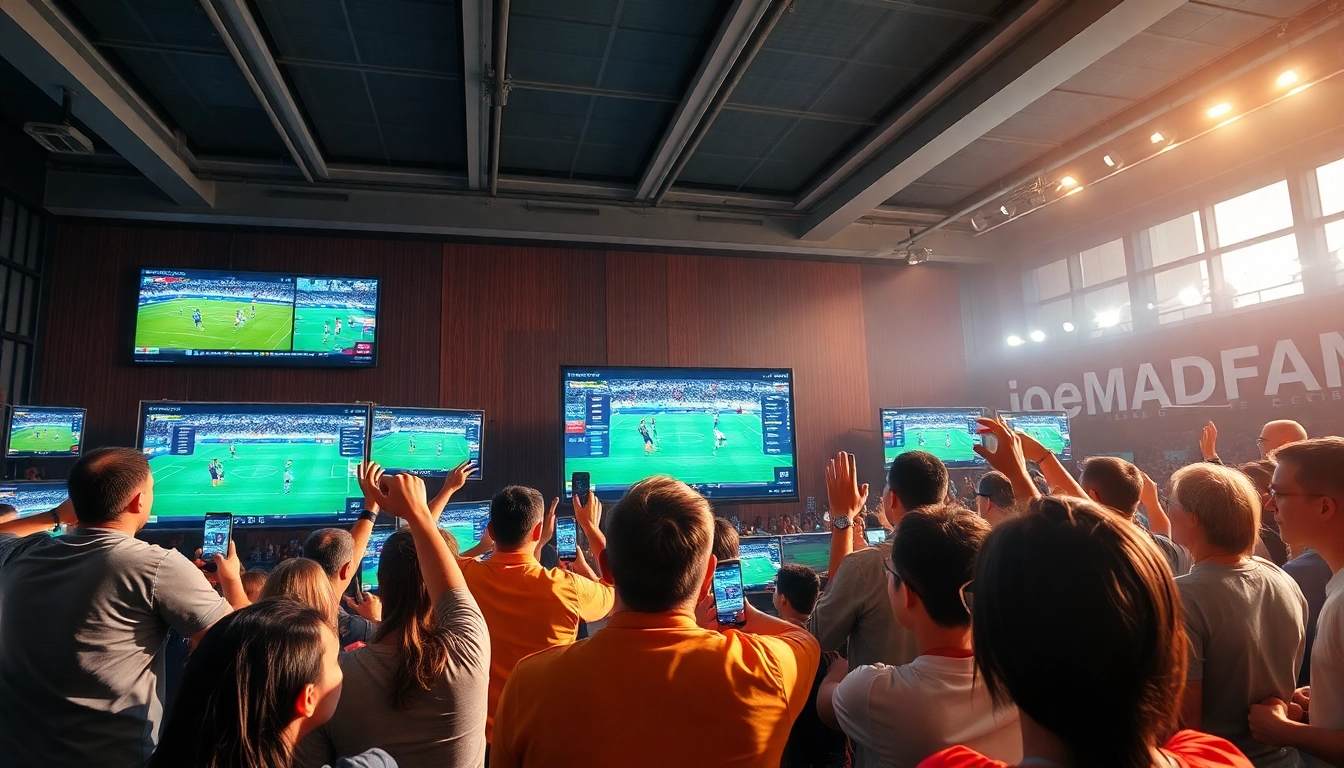
Sports Broadcasting refers to the live transmission of sports events through various media such as television, radio, and online platforms. This dynamic field not only includes the coverage of the events themselves but also encompasses the analysis, commentary, and entertainment surrounding these events. The importance of Sports Broadcasting lies in its ability to connect fans with their favorite sports, providing immediate access to action, expert insights, and in-depth coverage from around the globe. Sports Broadcasting also plays a critical role in boosting the visibility of sporting events, contributing to the growth of athletes’ and leagues’ marketability.
History of Sports Broadcasting Evolution
The roots of Sports Broadcasting can be traced back to the early 20th century, beginning with live radio coverage of sporting events. With the advent of television in the mid-20th century, the landscape changed dramatically as visual representation became possible, drawing even larger audiences. The 1980s saw the introduction of cable sports channels, revolutionizing how sports were consumed, while the 21st century has ushered in the digital revolution, where streaming services and social media have dramatically altered viewer accessibility and interaction. Tracking the history of Sports Broadcasting is vital to understanding its current practices and technologies, as trends of the past often shape modern strategies.
Key Components of a Sports Broadcast
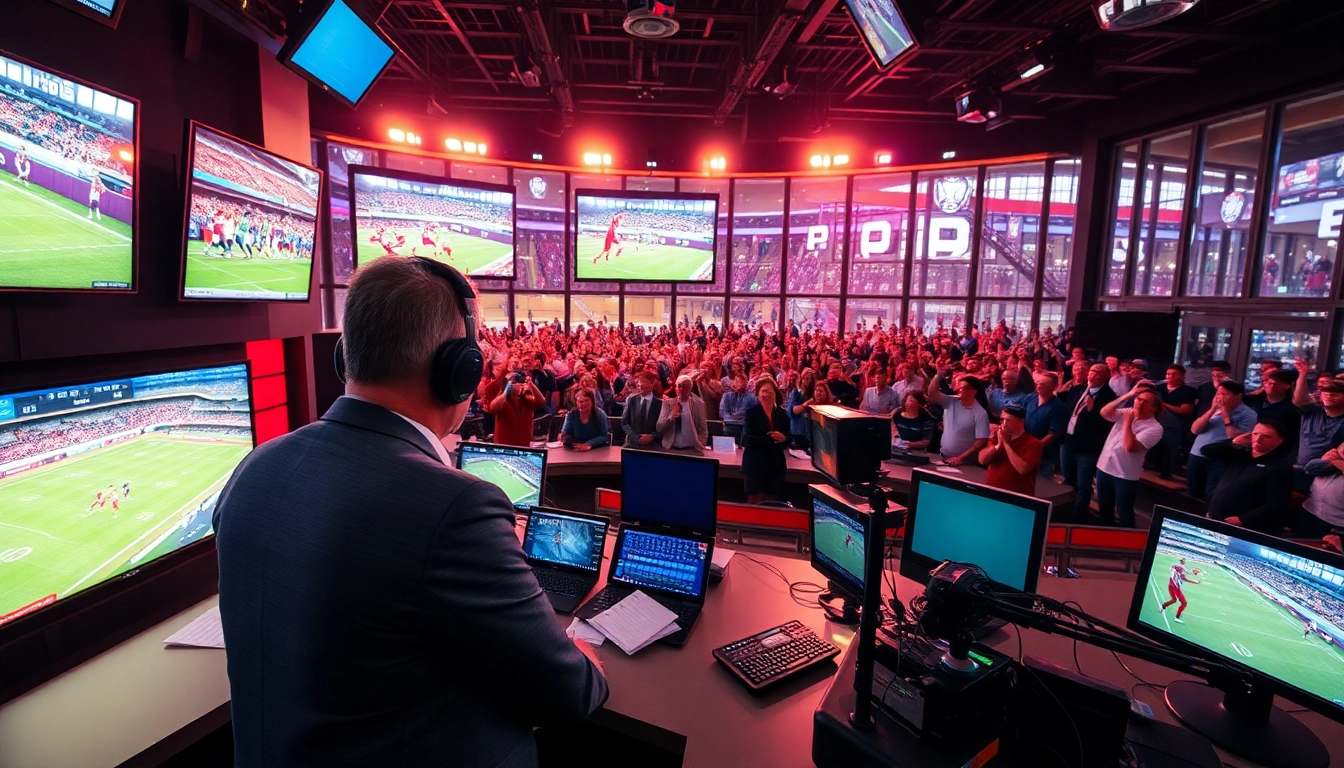
Every successful sports broadcast is made up of several critical components. First, there’s the production team, responsible for ensuring high-quality visuals and sound. Next, commentators and analysts provide play-by-play commentary and insightful analysis that enrich the viewing experience. Graphics and statistics play a vital role, offering viewers real-time data and scores, while viewer engagement serves to maintain audience interest. Finally, the broadcasting platforms themselves—whether traditional cable networks or digital streaming services—serve as the bridge connecting content creators with viewers.
Technology in Sports Broadcasting
Innovations in Video and Audio Technology
Technological advancements have continually shaped the field of Sports Broadcasting, leading to innovations that enhance user experience. High-definition and 4K broadcasting have become the standard, providing increasingly sharp and clear visuals. With the integration of enhanced audio systems and immersive sound design, viewers can feel the excitement of the stadium from their living rooms. Innovations like slow-motion replays, virtual reality integrations, and augmented reality overlays deepen viewer engagement by offering previously unattainable perspectives. It’s essential to stay abreast of these developments to keep broadcasts appealing and informative.
The Role of Streaming Platforms in Sports Broadcasting
Streaming platforms have transformed how sports are consumed, enabling viewers to watch live events from nearly any device, anywhere. The flexibility of on-demand viewing appeals to a broader audience who may not be able to commit to traditional broadcasting times. Platforms like these are also inclined to cater to niche audiences by providing coverage of lesser-known sports that might not receive mainstream attention. Furthermore, the opportunities for interaction and personalization through these platforms fundamentally enhance viewer loyalty and satisfaction.
Future Technologies on the Horizon
As technology continues to evolve, the future of Sports Broadcasting promises exciting developments. Innovations in artificial intelligence could automate commentary and analytics, offering real-time insights tailored to individual users. Virtual reality may allow audiences to experience games as if they were in the stadium, creating suspense and excitement. Moreover, enhanced connectivity via 5G will enable seamless streaming, even in crowded areas, potentially redefining live experiences. By anticipating these trends, Sports Broadcasting professionals can better prepare for the future landscape.
Analyzing Audience Engagement in Sports Broadcasting
Metrics for Measuring Audience Engagement
Engaging an audience is central to the success of any Sports Broadcasting entity. Metrics such as total viewership figures, average watch time, and audience retention rates provide invaluable insights into viewer behavior. Social media interactions, including likes, shares, and comments, further highlight engagement levels and allow broadcasters to tailor content according to audience preferences. By analyzing these metrics, broadcasters can adjust strategies to enhance viewership and engagement continuously.
Leveraging Social Media for Audience Interaction
Social media is a crucial tool for enhancing audience interaction during broadcasts. Platforms such as Twitter, Facebook, and Instagram enable real-time communication and feedback from fans, allowing broadcasters to engage viewers in new, creative ways. Hashtags can trend during events to promote conversation, while polls and live Q&A sessions can heighten interactivity. Brands and broadcasters that recognize the power of social media can cultivate a loyal fan base that feels personally invested in the content.
Creating Compelling Content for Your Viewers
To promote viewer loyalty, broadcasters must consistently develop high-quality, engaging content. Utilizing unique storytelling techniques, focusing on behind-the-scenes narratives, and offering exclusive interviews can enrich the viewing experience. Incorporating viewer input—through social media shoutouts or incorporating fan-generated content—can also enhance engagement. By prioritizing quality and audience interests, content providers can secure a dedicated viewership that’s eager for more.
Best Practices for Sports Broadcasting Professionals
Effective Communication Techniques
Effective communication is paramount for success in Sports Broadcasting. Broadcasters must articulate their insights clearly and persuasively, utilizing tone and body language that reflects the excitement of live sports. Mastering the art of storytelling not only engages viewers but also keeps them informed about game developments and context. Using technical terminology while making it approachable for the average viewer can bridge gaps in understanding and create a more inclusive atmosphere.
Building a Brand in Sports Broadcasting
Developing a strong personal brand is essential for individuals in the sports broadcasting field. This begins with identifying unique selling propositions, such as a distinctive voice or perspective, that set you apart from competitors. Consistency in messaging, visual aesthetics, and audience interaction across various platforms helps establish credibility. Additionally, networking with fellow professionals, participating in panels, and creating a robust online presence are strategies to enhance brand recognition.
Networking within the Industry
Networking is an invaluable tool for career growth in Sports Broadcasting. Attending industry conferences, workshops, and meetups offers opportunities to connect with established professionals. Joining organizations relevant to broadcasting can further expand one’s professional network, providing access to resources and mentorship. Online platforms like LinkedIn can also be beneficial for connecting with industry peers and accessing job opportunities. Building these relationships over time can lead to collaborations, insights, and even career advancements.
Challenges and Opportunities in Sports Broadcasting
Navigating Changing Regulations and Guidelines
The sports broadcasting industry is subject to constant changes in regulations concerning copyright, licensing, and broadcasting rights. Navigating these complexities is crucial for compliance and success. Staying informed about legal frameworks ensures that broadcasters can adapt their strategies accordingly. Consulting with legal experts or participating in policy workshops can assist in understanding the nuances of broadcasting regulations, helping to mitigate potential issues.
Adapting to Viewer Preferences and Trends
Adapting to changing viewer preferences is indispensable in Sports Broadcasting. With audience tastes evolving rapidly, broadcasters must continuously assess what resonates with viewers—from content style to technological features. Conducting audience surveys and implementing feedback mechanisms can provide valuable insights. In responding to trends such as increased demand for interactive content or the popularity of streaming services, broadcasters can refine their offerings to better align with viewer expectations.
The Future Landscape of Sports Broadcasting Careers
The landscape of career opportunities in Sports Broadcasting is expanding, shaped by technological advancements and shifting viewer habits. Roles are emerging in niche segments, such as data analytics, social media management, and interactive content creation. Those pursuing a career here need both traditional broadcasting skills and a willingness to adapt to new technologies. Gaining experience through internships, real-time projects, and continuous learning can ensure a competitive edge in this dynamic field.
FAQs
What is Sports Broadcasting?
Sports Broadcasting refers to the live transmission of sports events via television, radio, or online platforms.
How has technology impacted Sports Broadcasting?
Technology has improved video quality, introduced streaming services, and enhanced viewer engagement through social media.
What skills are essential for a sports broadcaster?
Effective communication, deep knowledge of sports, and the ability to engage audiences are key skills for success.
What trends are shaping the future of Sports Broadcasting?
Key trends include the rise of streaming platforms, interactive broadcasts, and the use of augmented reality in presentations.
How can one break into Sports Broadcasting?
Networking, gaining experience through internships, and developing a unique broadcasting style can help newcomers enter the field.